Journal
A Journey Through the Highland Tea Gardens
What does it mean to source tea at 2,000 metres? We spent three weeks walking the trails to find out.
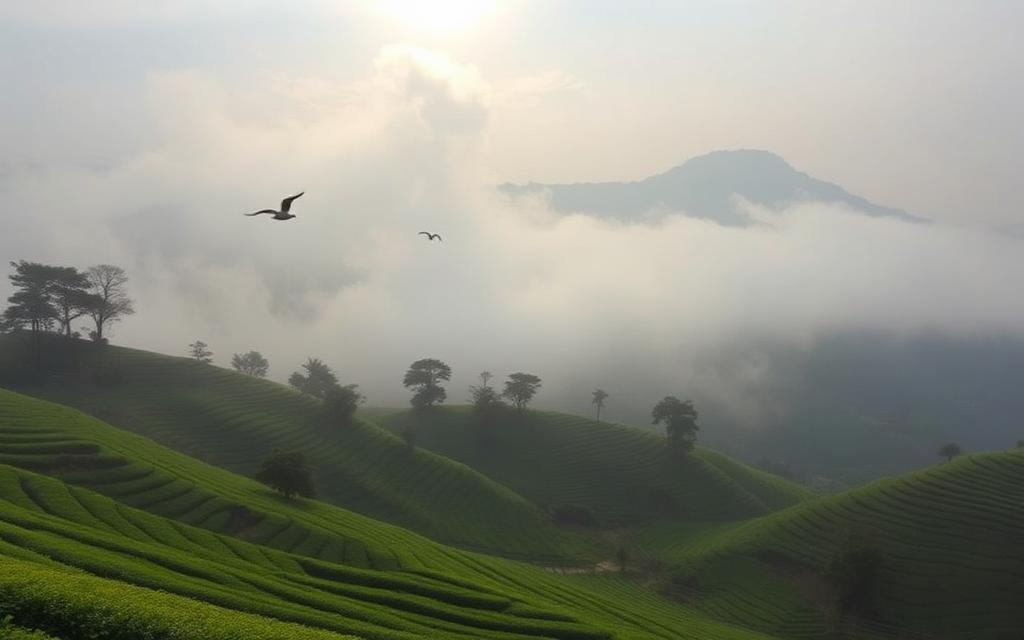
The path to Kanchanjangha Tea Estate begins where the road ends — a narrow dirt track that winds upward through rhododendron forest, emerging onto terraced hillsides that seem to float in cloud.
At 1,800 metres, the air changes. It's thinner, cooler, and carries the faint sweetness of oxidising leaves from a processing shed somewhere below.
We'd come to understand something we'd only read about: why altitude matters. The answer isn't romantic — it's biological. Cold nights slow leaf growth. Slower growth concentrates amino acids, particularly L-theanine, the compound responsible for tea's calming depth.
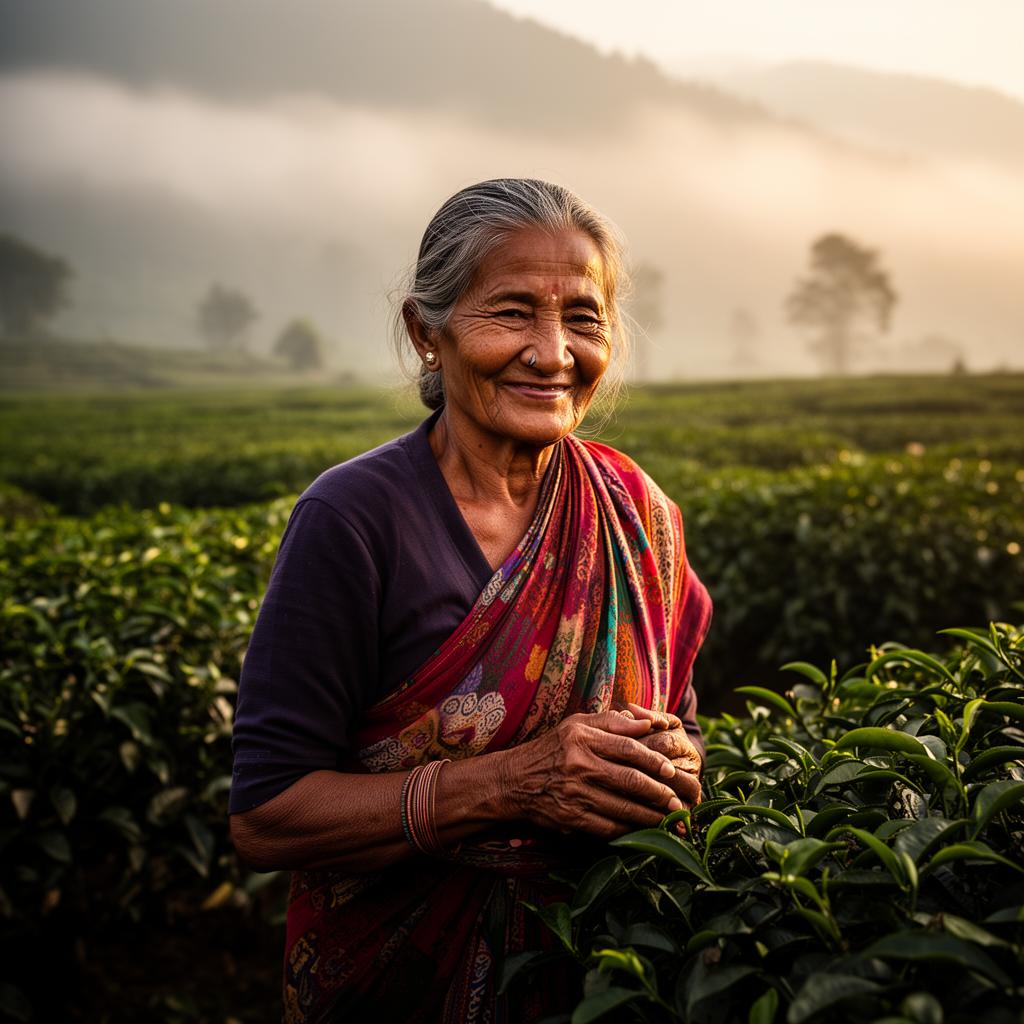
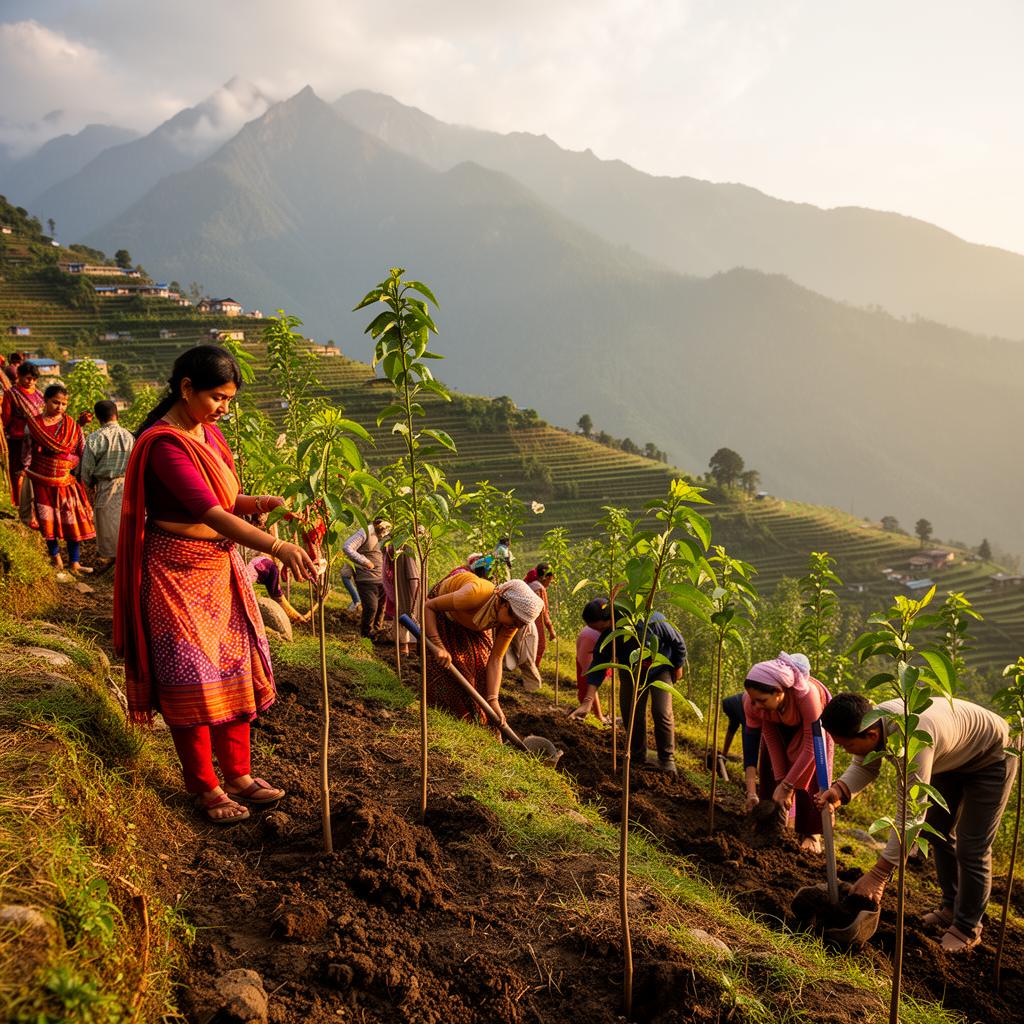
Over three weeks, we walked between farms in Ilam, Panchthar, and Taplejung. We watched sunrise harvests where women moved through shoulder-high bushes with a precision that comes only from decades of practice.
We tasted first flush teas brewed in tin kettles over wood fires. We tasted second flush orthodox teas with the muscatel notes that make Himalayan tea rival any Darjeeling.
What we brought back wasn't just tea. It was conviction — that these gardens, these people, these mountains produce something that deserves to be known.
Reported on the terraces of eastern Nepal. Every batch we sell is traceable to a named grower and harvest date, and dispatched within 24 hours from Bristol.